









Features
Micro-credentials use cases
Micro-credentials are used across multiple areas - from formal education and universities to workplaces and professional development. They are becoming a standard way of certifying specific skills that can be easily verified and shared. This enables institutions, organizations and learners to create transparent development paths and quickly respond to evolving market needs. Learn what types of micro-credentials our customers issue on the Credimi platform.
Micro-credentials for universities
Universities can digitally certify learning outcomes gained through degree programs, courses, or training.Micro-credentials fit perfectly into digital education frameworks and standards. They enable institutions to expand their educational offerings and reach new learner segments. Universities can respond faster to labor market needs and develop short, specialized learning pathways.
Micro-credentials in education
Micro-credentials support short, flexible learning formats and allow students to acquire verified skills quickly. Learners receive digital evidence of what they can do, which can be immediately used in the labor market. Credentials are verifiable, shareable, and stored online. Education becomes more transparent, personalized, and aligned with modern expectations. Micro-credentials increase the practical value of learning.
Micro-credentials for business & HR
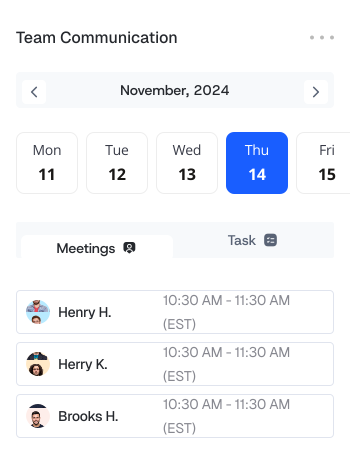
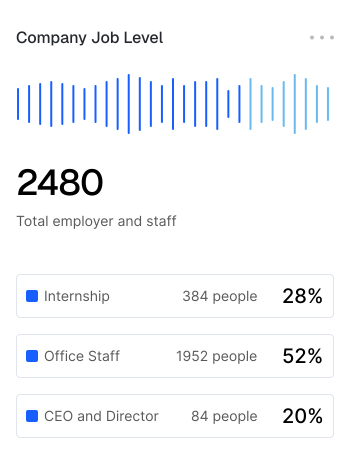
Companies use micro-credentials to verify employee skills and provide measurable training outcomes. This makes internal competence development transparent and structured. Employers can easily validate which skills teams possess and what additional training they completed. Micro-credentials help build a culture of learning and professional development across the organization. It also strengthens employer branding & HR.
Micro-credentials for professionals
Professional micro-credentials certify specialized skills required in specific roles and industries. They are useful for career changers, upskilling, or continuous professional development. Learners can obtain proof of skills quickly without pursuing long academic programs. For employees, this increases competitiveness in the job market. For employers, it provides clarity on real professional capabilities.