















Features
Microcrertificates use cases
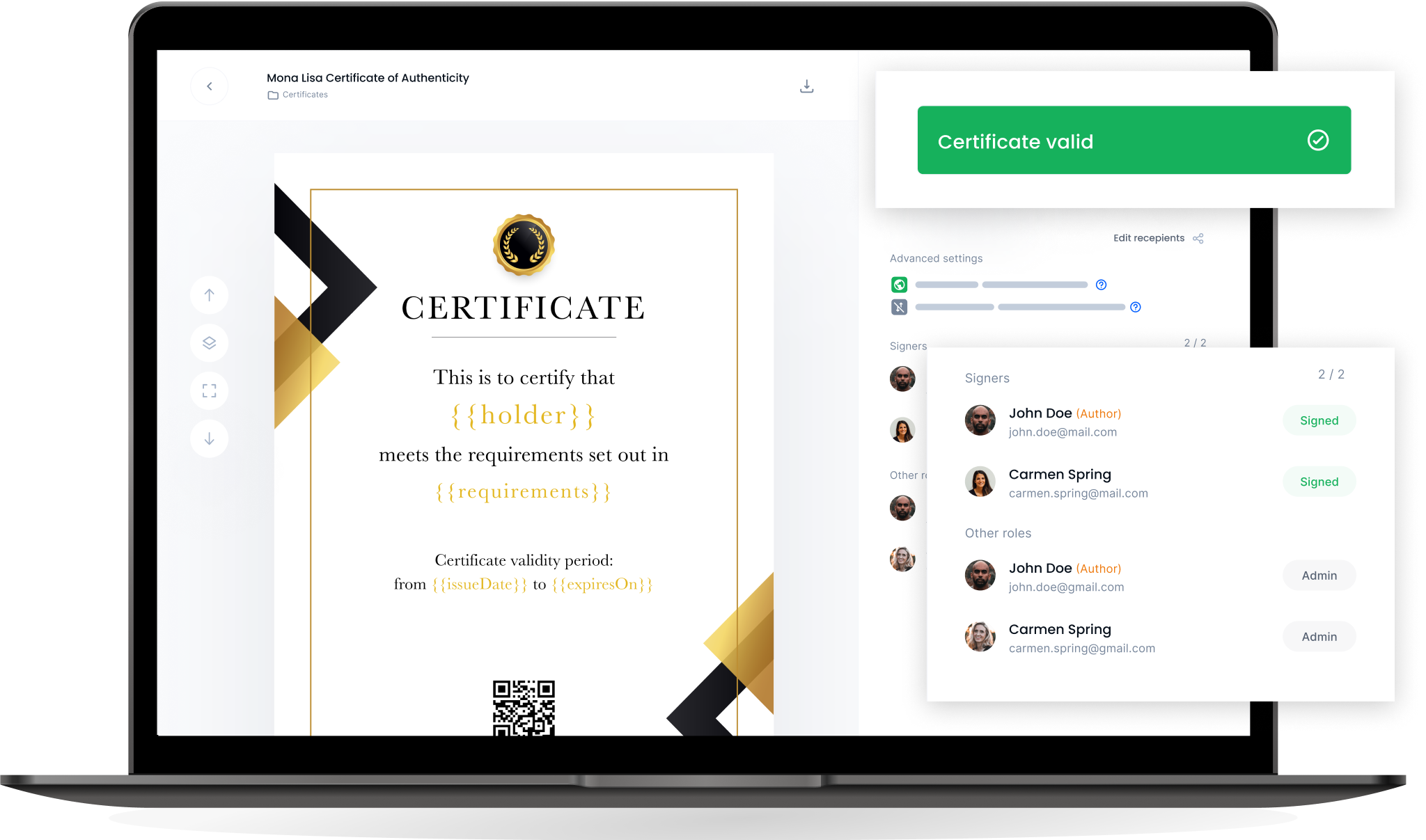
Microcertificates are designed to recognise clearly defined skills and learning outcomes across education, business and professional development. They make it possible to confirm what a person can actually do - in a way that is modular, transparent, and easy to verify. Institutions, organisations, and employers use microcertificates to build flexible learning pathways, respond faster to market needs, and make skills more verifiable.
IT Microcertificates
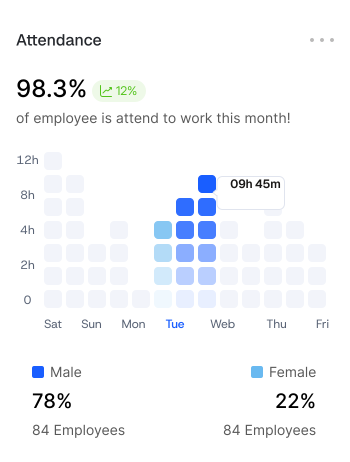
IT microcertificates confirm practical, technology-focused skills acquired through courses, bootcamps, labs or specialised academic programmes. They allow universities and training providers to recognise up-to-date competencies in fast-changing areas such as software development, data analysis or cybersecurity. By issuing IT microcertificates, institutions can quickly adapt their educational offer to labour-market demand.
Competency Microcertificates
Competency microcertificates focus on transferable and job-relevant skills, such as communication, project management, analytical thinking or teamwork. They provide clear evidence of individual capabilities that can be immediately understood by employers and recruiters. By breaking learning into smaller, verifiable units, competency microcertificates increase transparency and help learners build skill-based profiles.
Employee Microcertificates
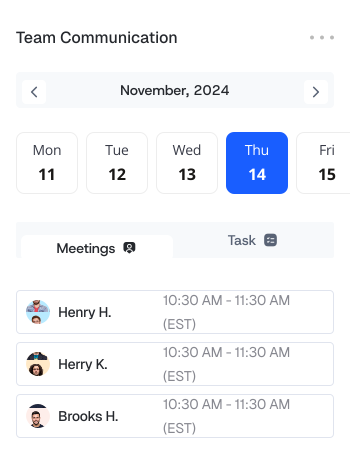
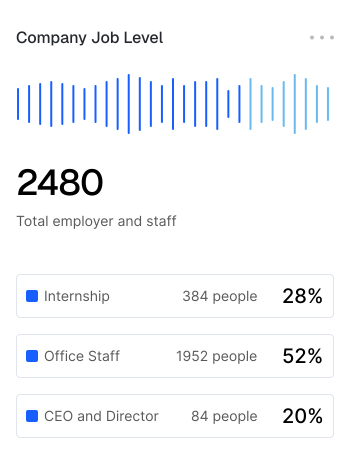
Employee microcertificates support internal skill development and reskilling within organisations. They help employers map existing competencies, track learning progress and validate completed training in a structured way.For employees, microcertificates make professional growth visible and portable. For organisations, they enable data-driven talent development and stronger learning cultures.
Training Microcertificates
Training microcertificates recognise specialised skills gained through professional courses and industry-focused training programmes. They are ideal for upskilling, career transitions and continuous professional development without the need for long academic paths.Learners gain fast, verifiable proof of skills, while employers receive clarity on actual capabilities relevant to specific roles and sectors.